Android vs IOS Development : What is the difference?
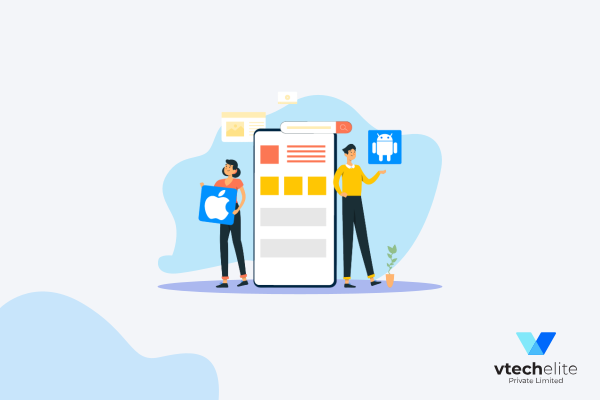



Table of contents
Android vs IOS Development : What is the difference?
Mobile applications are now an important part of daily life as people use them for social media, online shopping, banking, learning, and entertainment. Due to this growing demand, Android vs iOS development has become a major topic in the tech industry.
If you want a career in mobile app development or plan to build your own app, understanding the difference between iOS and Android is very important because both platforms work differently in tools, design, performance, and user experience. This also directly impacts Android App Performance, especially when apps are tested across different devices and hardware.
They differ in how apps are built, the tools used, performance, and user experience. Understanding this helps developers choose the right platform. The Android vs iOS app development debate is about goals, skills, and business needs. Developers compare both to decide the best career path and build effective mobile applications.
In this blog, Android vs IOS Development : What is the difference? advantages, disadvantages, and key differences. By the end, you will clearly understand the iOS and Android difference and which option suits you best.
Current Market Overview: Android vs iOS
The global smartphone market is strongly dominated by Android, which holds around 72.77% market share, powering billions of devices from manufacturers like Samsung, Xiaomi, and OnePlus. On the other hand, iOS has a smaller share of about 26.82%, but it still maintains a powerful presence with 1.5–1.8 billion active iPhones worldwide.
Regionally, iOS performs very strongly in premium markets, holding around 60% in North America, significant usage in Canada and Japan, and close competition in the UK and Australia. Meanwhile, Android dominates emerging regions such as India (96%) and Africa/Asia (95%), due to its affordability and wide availability.
From a revenue perspective, iOS generates a much higher share of app store earnings, around 67% of total app revenue, even though it has fewer users. This is because iOS users spend more on apps compared to Android users.
From a developer’s point of view, both platforms offer huge opportunities. Android provides a wider audience reach, while iOS attracts more engaged and higher-paying users. The iOS vs Android development comparison clearly shows that both ecosystems are important, and the right choice depends on your target audience and business goals.
What is Android App Development?
Android app development is the process of creating mobile applications that run on devices using the Android operating system. Android is developed by Google and is open-source, which means developers have more freedom to build and customize apps.
To create Android apps, developers usually use tools like Android Studio and programming languages such as Kotlin and Java. Once the app is developed, it is published on the Google Play Store so users can download and use it.
Android development is very popular because it supports a wide range of devices from different companies like Samsung, Xiaomi, and OnePlus. This makes it a major part of the Android vs iOS app development world, especially for reaching a large global audience. Many businesses prefer to Hire Dedicated Android Developers to build scalable and high-quality Android applications.
Pros of Android App Development
1. Open-source and highly flexible platform :
Android is an open-source platform that gives developers full freedom to customize apps easily. It supports creativity and innovation, allowing better control over design, features, and performance. Developers can modify and improve apps as per business needs, making Android a flexible and powerful choice for building mobile applications for different types of users.
2. Huge global user base :
Android has the largest share of smartphone users worldwide. This means businesses can easily reach a very big audience. It helps increase app downloads, user engagement, and brand visibility. Because of its global reach, Android is a strong choice for companies targeting different countries and a wide variety of users.
3. Cost-effective development :
Android app development is budget-friendly because it uses free tools and open-source technology. Developers don’t need to pay high licensing costs, which reduces overall project expense. This makes it a great choice for startups and small businesses with limited budgets who want to build and launch apps without heavy financial investment.
4. Wide device compatibility :
Android apps run on many different smartphones and tablets with various screen sizes and brands. This helps businesses reach more users easily across different budgets and regions around the world.
5. High customization options :
Android provides high customization options for UI, features, and functionality. Developers can easily change design, layout, and features according to business needs. This flexibility helps in creating unique, user-friendly, and creative apps that match different industries and user preferences, making Android development more adaptable and powerful for various types of applications.
Cons of Android App Development
1. High device fragmentation :
Android runs on many different devices with different screen sizes, hardware, and operating system versions. Because of this, developers face challenges in making the app work smoothly and look consistent on every device. It requires extra testing and optimization to ensure users get the same experience everywhere, which increases development effort and time.
2. Security challenges compared to iOS :
Due to its open-source nature, Android is more exposed to malware and security risks. Developers need to take extra care while building apps to protect user data. Strong coding practices, regular updates, and security testing are important to keep Android applications safe and reliable for users.
3. Inconsistent performance across devices :
Android apps may perform differently on different devices because Android runs on many phones with different hardware quality. Some devices are powerful, while others are low-end, which can affect app speed, smoothness, and responsiveness. This sometimes leads to a less consistent user experience across all users.
4. Longer testing and optimization cycles :
Developers must test Android apps on many different devices and OS versions. This makes the testing process longer and more complex, and it also requires more time and effort to ensure smooth performance everywhere.
What is iOS App Development?
iOS app development means creating mobile applications for Apple devices like iPhone and iPad. These apps work only on Apple’s system, which is a closed ecosystem controlled by Apple for better security and quality. Many businesses choose to Hire Dedicated iOS Developers to build high-quality and scalable applications for this platform.
Developers use a tool called Xcode to build iOS apps. The main programming languages used are Swift and Objective-C, with Swift being the most modern and popular choice.
After development, apps must go through Apple’s strict review process before being published on the App Store. iOS apps are known for smooth performance, strong security, and a premium user experience. Because Apple controls both hardware and software, apps usually run very consistently across all devices.
Pros of iOS App Development
1. Strong security and privacy features :
iOS provides very strong security and privacy for users. It uses strict App Store rules, sandboxing, and regular system updates to keep devices safe. These features help protect user data from viruses, malware, and unauthorized access. Because of this controlled system, iOS is considered one of the most secure mobile platforms for personal and business use.
2. Smooth and optimized performance :
iOS devices are designed with strong integration between hardware and software, which ensures smooth and stable performance. Apps run faster, load quickly, and crash less often compared to other platforms. This makes the user experience more reliable, responsive, and consistent across all Apple devices, even when running heavy applications or multitasking.
3. High revenue potential :
iOS users generally spend more on apps and in-app purchases compared to other platforms. This makes iOS a very profitable choice for developers and businesses. If your goal is to earn higher revenue from paid apps or subscriptions, iOS is a strong platform because users are more willing to pay for quality and premium features.
4. Consistent hardware ecosystem :
Apple controls both hardware and software, which creates a very consistent ecosystem. Developers don’t have to worry about many device variations or compatibility issues. This makes app testing easier, improves performance, and ensures smooth optimization. Because all devices work in a similar way, apps run more reliably and deliver a better, more stable user experience across all Apple devices.
5. Premium user base :
iOS users mostly belong to higher-income groups and prefer premium quality apps. They are more likely to pay for apps, subscriptions, and in-app purchases. This makes iOS a strong platform for businesses focused on earning higher revenue and targeting users who value quality, performance, and secure digital experiences over free alternatives.
Cons of iOS App Development
1. Limited device availability :
iOS apps work only on Apple devices like iPhone and iPad. Because of this, the number of users is limited compared to Android. It reduces the global reach of the app and also limits how many people can download and use it, which can affect audience growth and overall app popularity in the market.
2. Strict App Store approval process :
Apple has a very strict App Store review process. Every app must follow strong quality and security rules. Even small mistakes or policy issues can cause rejection or delay. Developers often need to fix and resubmit apps multiple times before approval, which makes the process more time-consuming compared to other platforms.
3. Higher development cost :
iOS app development usually costs more because Apple devices and tools like Mac and Xcode are expensive. It also requires skilled developers who specialize in iOS. On top of that, Apple’s strict guidelines and testing process add extra time and effort, which increases the overall cost of building and maintaining iOS applications compared to other platforms.
4. Less customization flexibility :
iOS apps have less flexibility for customization because Apple controls its ecosystem strictly. Developers must follow Apple’s rules, guidelines, and design standards. This means they cannot change or modify core system features freely like on Android. While this ensures quality and consistency, it limits deep customization and freedom for developers when building unique app experiences.
Key Differences Between Android and iOS Development
Understanding the difference between ios and android helps developers choose the right career path and technology stack.
Platform: Open vs Closed Ecosystem
- Android is an open-source system, which means developers have more freedom to build and customize apps. They can change features, use different tools, and create apps more freely. This makes Android flexible and easy to work with for many developers.
- iOS works in a closed system controlled by Apple. Developers must follow Apple’s strict rules and design guidelines. This limits customization, but it provides better security, stable performance, and a smooth, consistent experience for all users.
Programming Languages
- Android app development mainly uses Kotlin and Java as its programming languages. These languages are used to build Android applications that run on different devices like Samsung, Xiaomi, and others. Kotlin is more modern and preferred now because it is simple, safe, and reduces coding errors, while Java is older but still widely used.
- iOS app development uses Swift and Objective-C. Swift is the newest and most popular language for Apple apps because it is fast, easy to learn, and gives better performance. Objective-C is older but still used in some existing apps.
- If you are exploring Programming Languages for iOS App, Swift is the most recommended choice today because it is powerful and beginner-friendly.
Development Tools
- Android development is done using Android Studio which is Google’s official tool. It is user-friendly, supports many plugins and works on different operating systems like Windows Mac and Linux. It helps developers build, test and debug Android apps easily.
- iOS development uses Xcode which is Apple’s official tool. Xcode is only available on macOS and is specially designed for building apps for iPhone iPad and other Apple devices.
- Both tools are very powerful but they are built for different ecosystems. Android Studio offers more flexibility while Xcode provides a more controlled and optimized environment for Apple devices.
UI/UX Design Guidelines
- Android and iOS have different design systems that guide how apps look and feel. Android follows Material Design, which focuses on flexibility, rich visuals, and allowing developers to customize layouts more freely. It supports dynamic components, animations, and adaptable interfaces for different screen sizes.
- iOS follows Human Interface Guidelines, which emphasize simplicity, clarity, and consistency. Apple prefers clean layouts, smooth navigation, and a more uniform user experience across all apps. This makes iOS apps feel more structured and predictable.
- In short, Android gives more creative freedom in design, while iOS focuses on delivering a simple, elegant, and consistent user experience.
Device Fragmentation
- Device fragmentation means Android apps have to work on a very large variety of devices, including different screen sizes, brands, and hardware configurations. Because of this, developers need to test the app on many devices to make sure it works properly everywhere, which makes the testing process more complex and time-consuming.
- iOS runs only on Apple devices like iPhone and iPad, which are limited in number and have similar hardware and software standards. This makes development and testing much easier. As a result, iOS apps are usually more consistent, better optimized, and provide a smoother user experience compared to Android apps.
Android vs iOS: Which One Should You Learn?
Choosing between Android and iOS depends on your career goals and interests. Android is a great choice if you want to reach a large global audience and prefer flexibility in development. It is widely used across different devices and is suitable for building apps for mass users.
On the other hand, iOS is better if you want to focus on premium applications, better performance, and users who spend more on apps. It is known for quality and stability.
Many developers choose to learn both platforms over time to improve job opportunities and skills. In the industry a Web Development Company also plays an important role in integrating mobile apps with websites and backend systems for complete digital solutions.
Conclusion
The debate of Android vs iOS development is not about which platform is better but about which one matches your needs and goals. Both platforms are powerful and widely used across the world. At vtechelite, we help businesses and developers choose the right mobile strategy based on their requirements.
Android is known for its flexibility, large user base and low cost development making it a great choice for reaching a wide audience. On the other hand iOS focuses on strong security, smooth performance and a premium user experience which makes it ideal for high quality and high end applications.
Understanding the iOS and Android difference helps developers and businesses choose the right path based on their target users and project needs. While Android leads in global usage iOS generates higher revenue and better user engagement.
In the end both platforms are important in the mobile industry. Learning and working with both Android and iOS can create better career opportunities and long term success.
Frequently Asked Questions (FAQ's)
You might also like

14 Of The Hottest Mobile Application Development Trends You Should Know This Year
Differences Between No-code, Low-code, and High-code Development

Top Ecommerce development trends to watch out for in 2023
What Our Customers Say About Us

