How Much Does It Cost To Build a SaaS Platform in 2026?
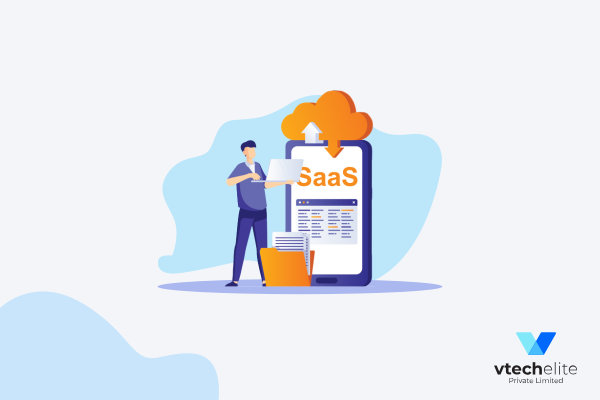



Table of contents
How Much Does It Cost To Build a SaaS Platform in 2026?
Building a software product is much easier and faster compared to a few years ago. but it is also more competitive. In 2026 SaaS Software as a Service has become an important part of modern businesses. From small startups to large companies everyone is using SaaS tools to improve operations and scale faster.
One of the first questions founders usually ask is how much does it cost to build a SaaS platform in 2026.
The truth is there is no fixed cost. It depends on many things like your idea features design technology and the team you hire. A simple SaaS product may cost a few thousand dollars while a complex platform can go beyond hundreds of thousands.
In this guide we will explain How Much Does It Cost To Build a SaaS Platform in 2026? and key factors that affect pricing hidden costs and how to plan your budget wisely when thinking about how to start a SaaS company.
What is a SaaS Platform?
A SaaS platform (Software as a Service) is a type of software that works online and does not need to be installed on your computer or phone. Users simply log in through the internet and use it like a service.
Instead of buying software once, users usually pay a monthly or yearly subscription to access it. Common examples of SaaS platforms include project management tools, CRM systems, accounting software, and online design tools.
The biggest advantage of SaaS is that it is easy to use, scalable, and cost-effective. Businesses can update features anytime without asking users to install anything.
SaaS is one of the most popular ways to deliver software. If you are learning how to build platforms, SaaS is a great model because it is flexible and highly profitable.
Average SaaS Development Cost in 2026
The saas development cost in 2026 varies widely depending on complexity and features.
| SaaS Type | Cost Range | Features Included |
|---|---|---|
| Basic SaaS (MVP Level) | $15,000 – $60,000 | Limited features, simple UI/UX, basic backend system |
| Mid-Level SaaS | $60,000 – $180,000 | Advanced features, API & payment integrations, scalable architecture |
| Advanced SaaS Platform | $180,000 – $350,000 | Complex workflows, strong backend, multi-user system, higher security |
| Enterprise SaaS | $350,000 – $500,000+ | AI integration, high security, multi-tenant system, complex workflows |
The cost of building a SaaS product depends on how complex your idea is and what features you want to include. MVPs are cheaper and faster to build, while enterprise-level platforms require much higher investment and long-term scaling.
Major Factors That Affect SaaS Development Cost
There is no fixed or universal price for building a SaaS platform. The saas development cost depends on multiple technical, design, and business-related factors. Each decision you make during planning and development directly impacts the final budget.
Below are the key factors that influence the overall cost of building a SaaS product :
1. Feature Complexity and Product Scope :
- The cost of building a SaaS product mainly depends on how many features you want and how complex they are. A simple product with basic features like login, dashboard, and data view is cheaper and faster to build.
- But when you add advanced features like AI automation, real-time collaboration, multi-user access, or workflow systems, the development becomes more complex and time-consuming.
- Each extra feature requires more design, coding, testing, and maintenance. So, the more powerful and advanced your product is, the higher the development effort and overall cost of building the SaaS platform becomes.
2. UI/UX Design Requirements :
- UI/UX design plays a big role in the overall cost of a SaaS platform. If you choose a simple template-based design, it is quicker and cheaper because most layouts are already ready.
- However, if you want a custom design with advanced animations, smooth transitions, and detailed user flows, it takes more time and effort from designers and developers.
- Every screen needs to be carefully planned to ensure users can easily navigate the platform. The more unique and interactive your design is, the more design hours are needed, which directly increases the overall SaaS development cost.
3. Technology Stack (Frontend, Backend, Cloud) :
- The technology stack is the set of tools used to build your SaaS platform. It includes frontend (what users see), backend (how the system works), and cloud (where everything is hosted).
- Modern tools like React for frontend and Node.js for backend help build fast and scalable applications. Cloud platforms like AWS or Azure allow your product to grow easily as users increase.
- Serverless architecture can also reduce long-term maintenance. While these modern technologies may slightly increase initial setup cost, they provide better performance, security, and scalability, making your SaaS product more reliable in the long run.
4. Development Team Type :
- The type of development team you choose plays a big role in both cost and product quality. Freelancers are usually the cheapest option, but they may work independently without a proper process, which can lead to delays or inconsistent results.
- Hiring an agency or a SaaS Development Company gives you a full team including developers, designers, testers, and project managers. This ensures better communication, structured development, and higher quality output.
- While agencies cost more than freelancers, they reduce risks and help you build a more stable and scalable SaaS product in the long run.
5. Security, Compliance, and Scalability Needs :
- If your SaaS stores sensitive data like payments, medical records, or enterprise information, security becomes very important. You need strong encryption, secure login systems, and regular vulnerability checks.
- Compliance rules like GDPR or SOC2 also require strict data protection standards and proper audits. These steps increase development effort because everything must be carefully designed and tested.
- On top of that, your system must handle growth without breaking, which means scalable cloud architecture and load management. All of this adds extra time and cost but ensures your SaaS is safe, reliable, and trusted by users.
SaaS Cost Breakdown by Development Phases
Building a SaaS product is not a single-step process. The overall cost is divided across different stages of development. Understanding each phase helps you plan your budget more effectively and avoid unexpected expenses later.
1. Discovery & Planning
- This is the first and most important stage of building a SaaS product. In this phase, the team studies the market to understand user needs and checks what competitors are already offering. They also plan the overall structure of the software, including how different parts will work together.
- Good planning helps avoid mistakes later and gives a clear direction for development. In simple words, this stage makes sure you are building the right product before starting design and coding.
2. UI/UX Design
- UI/UX design is the stage where the look and feel of the SaaS product is created. In this phase, designers first create wireframes, which are simple layouts showing how each screen will be structured. After that, prototypes are built to give a clickable preview of the product.
- Finally, the complete interface design is created with colors, fonts, and visual elements. This step is very important because it directly affects how easy and enjoyable the product is for users to navigate and use.
3. Frontend Development
- Frontend development is the part where the actual user interface of the SaaS product is built. It includes everything users see and interact with, such as pages, buttons, menus, forms, and dashboards. Developers make sure the design works smoothly on all devices like mobile, tablet, and desktop.
- The goal is to create a clean, fast, and easy-to-use experience. This stage also focuses on making the application interactive, so users can perform actions without confusion or delay, ensuring a smooth overall experience.
4. Backend Development
- Core system logic, APIs, database design, authentication, and business logic. This is the part of the SaaS where all the important behind-the-scenes work happens. It manages how data is stored, how users log in, and how different features communicate with each other.
- The backend makes sure everything runs smoothly when a user interacts with the app. It also handles security, data processing, and system performance. Without a strong backend, the SaaS product cannot function properly or scale with growing users.
5. Testing & QA
- Bug fixing, performance testing, security validation, and usability testing. This stage makes sure the SaaS product works properly before it is launched.
- Developers check for bugs and errors, test how fast and stable the system is, and ensure there are no security risks.
- They also review how easy the product is to use for real users. The goal is to fix all issues and deliver a smooth, reliable, and user-friendly application that performs well under real-world conditions.
6. Deployment & DevOps
- Cloud setup, CI/CD pipelines, server configuration, and scaling architecture. This is the final stage where the product is launched and made available to users online. It includes setting up cloud servers, automating updates, and ensuring the system can handle growing traffic.
- Everything is prepared for a smooth and stable launch. Each phase contributes directly to total saas development cost, and skipping any phase usually leads to higher long-term expenses.
Hidden Costs Most Founders Miss
Many founders only budget for development but SaaS has ongoing financial responsibilities:
Cloud Hosting & Scaling
- As more users start using your SaaS product, you need more server power, storage, and resources to keep it running smoothly. This means your hosting cost will keep increasing as your user base grows. The bigger your product becomes, the more you will need to spend on cloud services to support it properly.
Maintenance & Updates
- After your SaaS product is launched, it needs regular care. This includes fixing bugs, improving speed, and adding new features based on user needs. These updates keep your platform running smoothly and up to date.
- Without proper maintenance, the software can become slow, outdated, or less secure over time, affecting user experience and business growth.
Third-party Tools & Integrations
- SaaS platforms often use external tools like payment gateways, email services, analytics tools, and APIs. These services are not free and usually charge monthly or usage-based fees.
- Over time, these small costs add up and become a regular part of your overall SaaS expenses, so they should always be included in your budget planning.
Marketing & Customer Acquisition
- Building your SaaS product is just the first step. The real challenge is getting people to use it. You will need to spend money on ads, social media, SEO, and promotions to attract customers.
- In many cases, acquiring users costs more than building the product itself, so proper marketing planning is very important for success.
Long-term Technical Support
- Long-term technical support includes helping users, monitoring servers, and improving system performance regularly. These are continuous costs that do not stop after launch.
- If not planned properly, they can increase your overall yearly expenses by around 25% to 40%. This is an important factor every SaaS founder should include in their budget from the beginning.
SaaS Cost by Type of Product
Different types of SaaS products need different features which is why their development cost is not the same.
CRM Platforms
- CRM platforms are software tools used to manage customer information and sales activities. They help businesses track leads, automate tasks, and generate reports.
- Because they handle large amounts of data and include advanced features like automation and analytics, they are more complex and require higher development effort and cost.
E-commerce SaaS
- E-commerce SaaS platforms are online software used for selling products on the internet. They include features like online payments, product listings, stock or inventory management, and sometimes support for multiple sellers.
- The cost depends on features and complexity, but these platforms are generally more affordable than large enterprise SaaS systems.
HR Software
- HR SaaS tools help companies manage their employees in a simple way. They include features like payroll, attendance tracking, hiring, and onboarding new staff.
- These tools make HR work easier, faster, and more organized, helping businesses save time and manage their workforce more efficiently.
| SaaS Product Type | What It Includes | Estimated Cost |
|---|---|---|
| CRM Platforms | Customer data management sales tracking automation reporting tools | $80,000 – $250,000+ |
| E-commerce SaaS | Online store features payment systems product and inventory management multi vendor support | $50,000 – $200,000 |
| HR Software | Employee management payroll attendance tracking hiring and onboarding systems | $40,000 – $150,000 |
How to Reduce SaaS Development Cost
You can reduce the cost of building a SaaS product by planning smartly and avoiding unnecessary work in the early stage. Here are some simple and easy ways:
1. Start with MVP :
- Build a basic version of your product first, called an MVP (Minimum Viable Product). It should include only the most important features. This helps you test your idea in the market before spending more money on full development.
- An MVP saves time, reduces risk, and lets you improve your product based on real user feedback before scaling further.
2. Focus on Core Features :
- Do not try to add everything in the first version.Focus only on the most important features that solve the main problem of your users. Keep the product simple and useful at the start. Once people start using it, you can slowly add new features based on their feedback and real needs.
3. Use Scalable Cloud Infrastructure :
- Use cloud services like AWS, Azure, or Google Cloud. These platforms help you start with low cost and only pay for what you actually use. You don’t need big upfront investment in servers.
- As your user base increases, you can easily scale your system without changing or rebuilding the whole application, which saves both time and money.
4. Hire the Right Experts :
- Work with experienced developers or a trusted MVP Development Company. Skilled experts help you build the product correctly, avoid costly mistakes, save development time, and reduce extra rework.
- This makes the whole process smoother and helps you lower the overall SaaS development cost effectively.
How Vtechelite Built a Construction Tracking SaaS Platform
Vtechelite built a construction tracking SaaS platform by focusing on solving real construction site problems like progress tracking, workforce management, and real-time reporting. The goal was not to build everything at once, but to create a simple and scalable system that could grow step by step based on user needs.
Instead of a full product launch, they followed a phased development approach. First, they created an MVP with only core tracking features so construction teams could log daily work and monitor project status. After validating the idea, they added real-time reporting to improve visibility between site and office teams.
Next, they designed a scalable cloud architecture to handle multiple projects and users without performance issues. Later, they expanded the platform with advanced analytics dashboards and mobile support for field workers.
This structured approach is similar to modern construction SaaS platforms that use real-time data, cloud systems, and digital workflows to reduce errors and improve efficiency in large-scale projects. It shows how step-by-step development by a Custom App Development Company can reduce risk, control cost, and deliver a more stable product.
Conclusion
Building a SaaS platform in 2026 is one of the most powerful business opportunities, but it is also a complex investment. The final cost is not only about coding. It includes product planning, system scalability, infrastructure choices, and long-term maintenance.
Whether you are estimating SaaS development cost for a startup MVP or planning a large enterprise solution, it is important to think beyond the initial build. Real SaaS success depends on strong architecture, smooth user experience, and scalability not just how fast the product is launched.
If you are exploring how to build platforms that can scale globally, the best approach is to start small, test your idea quickly, and then grow step by step. Many successful SaaS companies did not begin with big budgets. They started with simple MVPs and improved their products based on real user feedback and market demand.
Frequently Asked Questions (FAQ's)
You might also like

14 Of The Hottest Mobile Application Development Trends You Should Know This Year
Differences Between No-code, Low-code, and High-code Development
Top Ecommerce development trends to watch out for in 2023
What Our Customers Say About Us

